
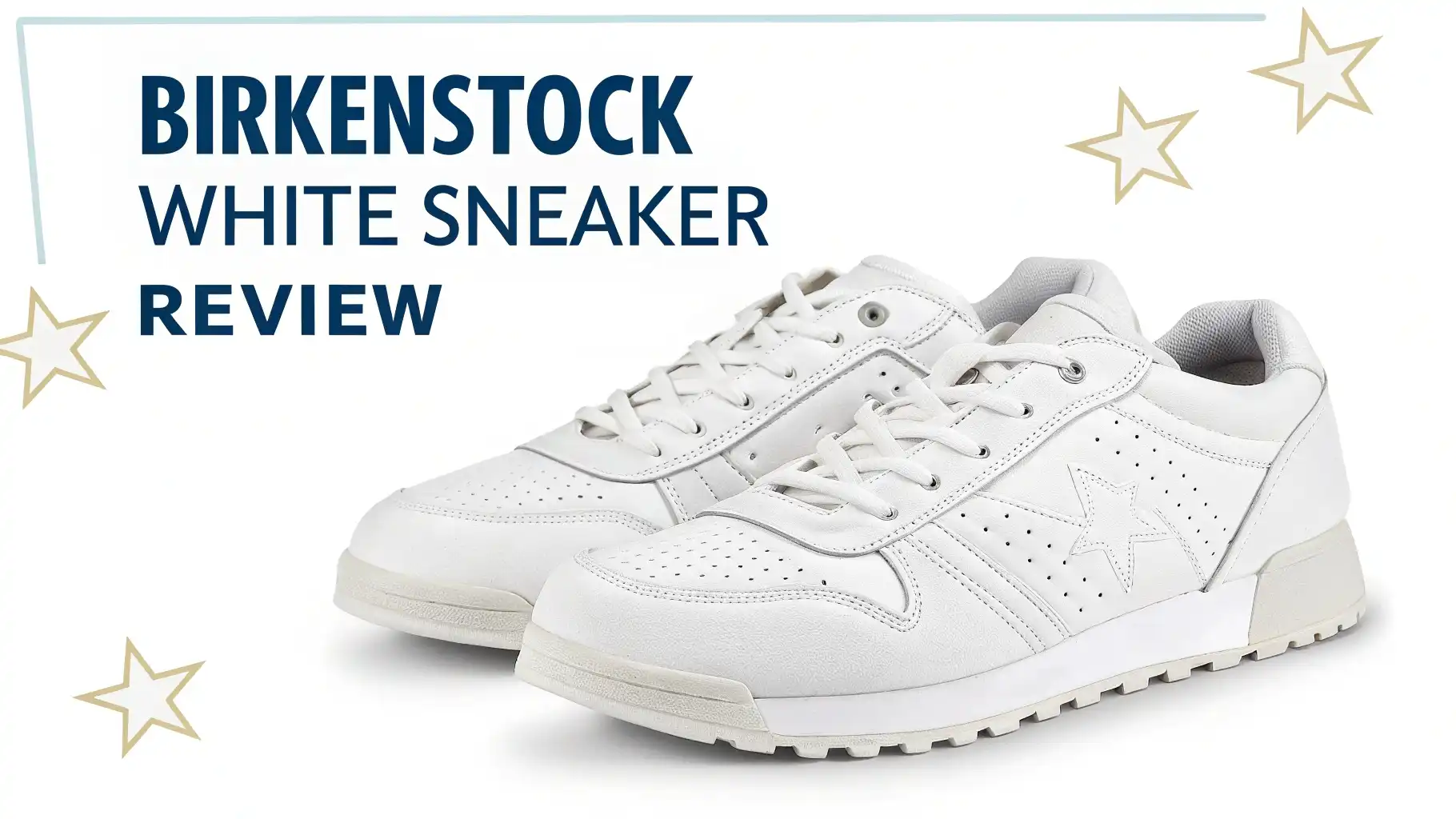
White sneakers have stayed on top of fashion trends for years, and Birkenstock has entered the game with their distinctive approach to sneaker design. These shoes combine the legendary Birkenstock footbed technology with modern sneaker styling. Many people wonder if Birkenstock white sneakers deliver the same comfort as their famous sandals. This review explores everything you need to know about Birkenstock white sneakers in 2025.
You will discover their comfort features, style options, durability, and whether they deserve a spot in your shoe collection. The white sneaker trend continues strong this year, and Birkenstock offers something different from typical athletic shoes. Their approach focuses on foot health and all-day wearability rather than just athletic performance.

Key Takeaways
Before diving into the full review, here are the essential points about Birkenstock white sneakers:
Signature Comfort Technology: Birkenstock white sneakers feature the same anatomically shaped cork-latex footbed found in their sandals. This footbed provides excellent arch support and molds to your unique foot shape over time. The contoured design helps distribute weight evenly across your foot.
Break-In Period Required: Unlike many modern sneakers, Birkenstock white sneakers need time to adjust to your feet. The leather upper starts stiff and requires about one week of gradual wear. Many users report initial discomfort that transforms into exceptional comfort after proper break-in.
Wide Toe Box Design: These sneakers feature a generous toe box that allows natural toe spread. This design element sets them apart from conventional narrow sneakers. People with bunions or wide feet find this feature particularly beneficial.
Premium Materials: Most models use high-quality leather uppers with microfiber interior lining. The construction emphasizes durability and breathability. The rubber outsole provides good traction for daily activities.
Style Versatility: Birkenstock white sneakers work with various outfit styles from casual to smart-casual. The clean white leather design pairs easily with jeans, dresses, or professional attire. They offer a minimalist aesthetic that appeals to different fashion preferences.
What Makes Birkenstock White Sneakers Different

- The very deep molding in the heel area supports the foot tissue and holds the heel bone firmly in its natural position
- Removable, anatomically shaped cork-latex footbed
Birkenstock brings their 250 years of footwear expertise to the sneaker category. Their white sneakers stand out because they prioritize orthopedic support over purely athletic design. The company built these shoes on their legendary footbed technology. This same technology has made their sandals popular worldwide for decades.
Traditional athletic sneakers focus on cushioning and performance metrics. Birkenstock takes a different approach. They design their sneakers to support natural foot anatomy. The contoured footbed matches the shape of your foot arch. This design helps reduce strain on your feet, ankles, and lower back during daily activities.
The white leather models showcase clean, minimalist styling. You will not find flashy logos or excessive design elements. This simplicity makes them extremely versatile for different occasions. The unisex construction means both men and women can enjoy these sneakers.
Many podiatrists recommend Birkenstock footwear for people dealing with plantar fasciitis or flat feet. The built-in arch support provides relief that typical flat sneakers cannot match. The deep heel cup stabilizes your foot with each step.
The Iconic Birkenstock Bend Low White Leather
The Bend Low represents Birkenstock’s flagship sneaker model. This shoe transforms their classic footbed technology into a modern low-top sneaker. The white leather version has become particularly popular in 2025.
The upper uses smooth natural leather that develops character over time. This premium material breathes well and resists water better than canvas alternatives. The leather requires occasional conditioning to maintain its appearance. Inside, a soft microfiber lining prevents irritation against your skin.
The midsole includes an extra layer of polyurethane foam. This addition provides cushioning beyond the cork-latex footbed. You get both support and shock absorption. The combination works well for people who spend long hours on their feet.
Birkenstock offers the Bend Low in both regular and narrow widths. The regular width corresponds to their traditional footbed design. The narrow width suits people with slimmer feet. Sizing runs true to Birkenstock standards, though new wearers sometimes need adjustment time.
The lace-up design allows you to customize the fit around your instep. You can loosen them for casual wear or tighten them for more secure walking. The metal eyelets add a subtle detail to the clean design.
Comfort Features That Set Them Apart
Comfort stands as the main selling point for Birkenstock white sneakers. The anatomically shaped footbed provides support in four key areas. Your longitudinal arch gets lifted support. Your transverse arch receives proper alignment. The deep heel cup cradles your heel bone. The raised toe bar encourages natural gripping motion.
The cork-latex footbed creates a custom fit over time. Cork naturally compresses and molds to your foot shape. This process takes several weeks of regular wear. Once molded, the footbed feels like it was made specifically for you.
The footbed surface uses suede leather. This material wicks moisture away from your feet. It also provides gentle friction that keeps your foot from sliding inside the shoe. Many synthetic footbeds cannot match this natural moisture management.
The flexible rubber outsole bends with your foot movement. Unlike stiff sneakers, these shoes allow natural foot flexion. This flexibility becomes more noticeable after the break-in period. Your feet can move more naturally with each step.
The roomy toe box deserves special mention. Your toes have space to spread naturally. This feature reduces pressure on bunions and hammertoes. People accustomed to narrow sneakers often find this design remarkably comfortable.
Top 3 Alternatives for Birkenstock White Sneakers

- SUSTAINABLY CRAFTED: Womens slip on fashion sneaker with eco-conscious fabric toe box, linings and topcloth made from recycled...
- MATERIALS: Womens casual slip on loafer made with water-resistant faux leather, canvas fabric, ripstop made from recycled plastic...

- COMFORT MEETS STYLE - Confidently step out in style with Keds Women's Center Lace Up Leather Sneakers for women. Designed with a...
- SOFT AND SUPPORTIVE - Featuring modern mesh lining for a super soft feel, extra padding under the heel, and ankle-cradling...


- 【Water-Resistant Upper】:Womens white tennis shoes use PU leather upper,PU upper is water-resistant and easy to clean.
- 【Comfortable Felling】:PU leather sneakers have been thickened at the ankle to fit the foot more comfortably.
Breaking In Your Birkenstock White Sneakers
The break-in period presents the biggest challenge for new Birkenstock sneaker owners. The leather starts quite stiff. The footbed feels firm and unyielding at first. Many people experience discomfort during the first week. Understanding this process helps you succeed with your new shoes.
Start by wearing your sneakers for short periods. Try one or two hours per day initially. Gradually increase wear time as the leather softens. Avoid wearing them for full-day activities during the first week. This approach prevents blisters and excessive foot fatigue.
The footbed needs time to compress and mold. You might feel pressure points initially. These usually disappear as the cork adjusts to your foot shape. Some people experience arch pain during adjustment. This happens because your feet adapt to proper arch support.
Thick socks can help during break-in. They provide cushioning and prevent friction spots. However, avoid extremely thick socks that change the fit dramatically. You want the shoes to mold to your actual foot size.
Consider applying leather conditioner to speed softening. This helps the upper material become more pliable. Apply conditioner sparingly and allow it to absorb fully. Too much conditioner can darken the white leather.
After one week of gradual wear, most people report significant improvement. By two weeks, the shoes typically feel comfortable for all-day wear. Some users need up to three weeks for complete break-in. Your experience may vary based on foot shape and leather thickness.
Styling Your White Birkenstock Sneakers
White sneakers work as wardrobe staples because they match almost everything. Birkenstock white sneakers bring this versatility with added comfort benefits. Their clean design suits multiple fashion styles from minimalist to casual chic.
For casual everyday looks, pair them with straight-leg or boyfriend jeans. Roll the cuffs slightly to show the sneakers. Add a simple t-shirt or sweater for effortless style. The white sneakers brighten up darker denim colors.
These sneakers work surprisingly well with dresses and skirts. Try them with midi-length dresses for a balanced look. The chunky sole adds nice contrast to flowing fabrics. This combination creates the popular sporty-feminine aesthetic.
Business casual outfits gain a modern edge with white Birkenstock sneakers. Wear them with chinos or tailored trousers. Choose darker pant colors to make the white sneakers pop. Add a button-down shirt or blazer to complete the look.
Summer outfits benefit from the clean white aesthetic. Pair your sneakers with shorts and light-colored tops. The breathable leather keeps feet comfortable in warm weather. White sneakers reflect heat better than dark colors.
For athleisure style, combine them with joggers or leggings. Add an oversized sweatshirt or athletic jacket. This creates a comfortable yet put-together appearance for running errands. The Birkenstock footbed makes this practical for actual activity.
Durability and Long-Term Value
Birkenstock builds their sneakers to last multiple years with proper care. The company designs all components for repairability and longevity. This approach differs from fast-fashion sneakers meant for one season.
The leather upper develops a natural patina over time. This aged appearance adds character rather than looking worn out. Quality leather improves with age when maintained properly. You can expect the upper to last several years of regular wear.
The cork-latex footbed compresses but does not break down quickly. Most users report three to five years of daily wear before needing replacement. Birkenstock offers footbed replacement services. This extends the life of your sneakers significantly.
The rubber outsole shows wear patterns based on your gait. High-wear areas may thin after extensive use. However, the rubber compound resists cracking and separation. Many users get two to three years before sole replacement becomes necessary.
The stitching uses strong thread designed for footwear stress. Seams rarely fail during normal use. The construction quality exceeds most mass-market sneakers. This durability justifies the higher initial price.
When calculating cost per wear, Birkenstock sneakers often prove economical. A pair lasting three years costs less per day than cheap sneakers replaced every six months. The consistent comfort throughout their lifespan adds value beyond just durability.
Cleaning and Maintaining White Leather
White sneakers require regular cleaning to maintain their fresh appearance. Birkenstock white leather sneakers need specific care techniques. Proper maintenance keeps them looking new and extends their useful life.
For routine cleaning, use a damp cloth with mild soap. Wipe the leather upper gently in circular motions. Remove dirt and scuffs before they set into the material. Clean your sneakers weekly if worn frequently. This prevents buildup that becomes harder to remove.
Avoid soaking the entire shoe in water. Excessive moisture damages the cork footbed. The leather can also become stiff if saturated. Instead, spot-clean problem areas. Focus on the toe box and sides where dirt accumulates most.
For stubborn stains, try a leather-specific cleaner. Apply small amounts to a soft cloth first. Test in an inconspicuous area before treating visible surfaces. Some cleaners may slightly alter leather color. Magic erasers work well on rubber sole edges but use them carefully on leather.
The footbed needs different care than the upper. Birkenstock recommends brushing the suede footbed with a soft brush. This removes dead skin cells and maintains texture. Avoid using water directly on the footbed. It can damage the cork layers underneath.
Apply leather conditioner every few months. This keeps the white leather supple and prevents cracking. Use products designed for light-colored leather. Some conditioners contain oils that can yellow white leather over time.
Water and stain repellent spray provides protection before problems occur. Apply it to new sneakers and reapply monthly. This creates a barrier against moisture and dirt. It makes routine cleaning much easier.
Sizing and Fit Considerations
Getting the right size ensures maximum comfort from Birkenstock sneakers. Their sizing system differs from standard athletic shoe sizing. Understanding these differences helps you choose correctly.
Birkenstock uses European sizing for their sneakers. You need to convert your US size to find the correct EU size. Most retailers provide conversion charts. The Bend Low runs true to Birkenstock sizing. If you own other Birkenstock shoes, use that size as reference.
The unisex construction means the shoes fit slightly wider than typical women’s sneakers. Women with narrow feet might prefer the narrow width option. Men typically choose the regular width. The generous toe box accommodates wider feet comfortably.
Some wearers size up from their sandal size in Birkenstock sneakers. The enclosed design can feel tighter initially. If between sizes, choosing the larger size allows room for thick socks. The footbed will mold either way during break-in.
Try on sneakers in the afternoon or evening. Your feet swell slightly throughout the day. Shoes that fit in the morning might feel tight later. This timing ensures comfortable all-day fit.
Check that your heel sits firmly in the heel cup. You should not slide forward when walking. About a quarter inch of space should exist between your longest toe and the shoe end. Too much space causes friction and blisters.
The laces allow some fit adjustment. You can customize tightness across your instep. This helps people with high arches or wide feet. Experiment with different lacing techniques if needed.
Arch Support and Foot Health Benefits
Birkenstock built their reputation on promoting foot health. Their white sneakers continue this tradition with exceptional arch support. This feature sets them apart from fashion-focused competitors.
The contoured footbed supports your longitudinal arch naturally. This arch runs from heel to ball of foot. Proper support here reduces strain on plantar fascia. Many people with plantar fasciitis report relief when wearing Birkenstock sneakers.
The transverse arch also receives support. This arch crosses the ball of your foot. Supporting it helps prevent metatarsalgia and ball-of-foot pain. Few sneakers address this area effectively.
The deep heel cup centers your heel bone with each step. This alignment reduces ankle strain. It also promotes better posture throughout your body. Proper heel positioning affects your knees, hips, and lower back.
The raised toe bar encourages natural gripping motion. Your toes work slightly to maintain position. This gentle exercise strengthens foot muscles over time. Stronger feet provide better natural support.
People transitioning from flat sneakers sometimes experience adjustment discomfort. Your feet need time to adapt to proper support. This temporary soreness indicates muscles working that previously remained inactive. The discomfort typically resolves within two weeks.
Podiatrists often recommend gradual transition to supportive footwear. Do not switch immediately to wearing Birkenstock sneakers all day. Build up wear time as your feet strengthen. This approach maximizes benefits while minimizing adjustment pain.
Comparing Different Birkenstock White Sneaker Models
Birkenstock offers several white sneaker options beyond the Bend Low. Each model provides slightly different features. Understanding these differences helps you choose the best option.
The Bend Low represents their most popular sneaker style. It features the full contoured footbed with additional PU midsole cushioning. The low-top design works for most casual occasions. This model offers the best balance of support and style.
The Bend Mid provides ankle coverage. This high-top version suits people wanting more ankle support. The additional height changes the styling options. It pairs better with certain pant styles. The footbed and comfort features match the Low version.
The Bend Decon offers a deconstructed aesthetic. This model has exposed stitching and raw edges. It appeals to people preferring edgier styling. The comfort features remain identical to standard Bend models.
Some models feature suede leather instead of smooth leather. Suede provides a softer look and feel. However, it requires more careful maintenance. Suede shows dirt more readily than smooth leather.
The QO 500 serves professional environments requiring slip-resistant footwear. This model includes safety features beyond standard sneakers. Healthcare workers and restaurant staff often choose this option. The fluid-resistant upper adds practical benefits.
Material choices affect both appearance and maintenance. Smooth leather proves easiest to clean and maintain. It develops a nice patina over time. Suede offers softer initial comfort but needs protective treatments.
Price Point and Value Analysis
Birkenstock white sneakers cost more than average fashion sneakers. Understanding the value proposition helps justify the investment. Several factors contribute to their higher price.
The Bend Low typically retails between 140 and 165 dollars. This places them in the premium sneaker category. However, the price reflects quality materials and construction. You pay for components designed to last years rather than months.
The cork-latex footbed alone costs more to produce than foam insoles. Cork requires harvesting and processing from cork oak trees. The material provides superior support and durability. Cheaper alternatives cannot match its performance.
Premium leather uppers cost significantly more than synthetic materials. Natural leather breathes better and lasts longer. It also feels more comfortable against skin. The environmental sustainability of quality leather exceeds synthetic options.
Handcrafted elements increase production costs. Birkenstock maintains higher manufacturing standards than mass-market brands. Their German engineering heritage shows in build quality. You can feel the difference when handling the shoes.
Consider the cost per wear over the shoe’s lifetime. A pair lasting three years with daily wear costs about 15 cents per day. Cheap sneakers replaced every six months cost more over time. The math favors quality when calculated long-term.
Birkenstock occasionally offers sales through authorized retailers. You might find discounts of 20 to 30 percent during seasonal promotions. However, popular white models sell quickly at reduced prices. Shopping early in sale periods increases your chances.
Real User Experiences and Reviews
Customer reviews provide valuable insights beyond marketing claims. Birkenstock white sneakers receive mixed but generally positive feedback. Understanding common experiences helps set realistic expectations.
Many users praise the exceptional arch support. People with plantar fasciitis report significant pain relief. Some describe them as the most comfortable sneakers they own. These positive reviews typically come after successful break-in.
The break-in period generates substantial negative feedback. Some people find the initial stiffness intolerable. Others develop blisters during the adjustment phase. These issues usually resolve with patience. However, some people give up before experiencing the benefits.
Wide toe box design receives appreciation from people with bunions or wide feet. Users describe feeling their toes spread naturally. This feature particularly appeals to those transitioning from barefoot-style footwear. Standard sneaker wearers sometimes find it unusual initially.
Durability impressions vary based on usage patterns. Daily wearers report three years or more of comfortable use. Occasional wearers suggest even longer lifespans. The quality construction consistently earns praise in reviews.
Styling versatility gets mentioned frequently. Users appreciate wearing one shoe for multiple occasions. The clean white design works from casual to dressy situations. This versatility increases practical value.
Sizing complaints appear in some reviews. A few people find the fit runs large or small. Most issues stem from not understanding Birkenstock’s unique sizing system. Proper size selection prevents these problems.
Best Uses and Activities
Birkenstock white sneakers excel in certain situations while proving less ideal for others. Understanding their strengths helps you use them appropriately. These shoes shine for specific activities.
All-day standing represents their ideal use case. Teachers, retail workers, and healthcare professionals benefit most. The arch support reduces foot fatigue during long shifts. Many users report less leg and back pain compared to other footwear.
Walking moderate distances works well in Birkenstock sneakers. The supportive footbed makes sidewalk miles comfortable. However, they lack the cushioning of dedicated walking shoes. Very long walks might require more specialized footwear.
Casual social activities suit these sneakers perfectly. Wear them to restaurants, movies, or social gatherings. The comfort allows you to forget about your feet. The style fits most casual dress codes appropriately.
Light travel works with these sneakers. They provide comfort for airport navigation and sightseeing. However, their weight exceeds lightweight travel sneakers. Pack them for trips prioritizing comfort over minimal luggage.
These sneakers do not suit intense athletic activities. Running, jumping, and quick lateral movements exceed their design parameters. They lack the performance features of athletic trainers. Choose sport-specific shoes for gym workouts or running.
Wet weather presents challenges for white leather. Rain and puddles can stain the leather. The rubber sole provides decent traction on wet surfaces. However, protecting white leather from water damage requires vigilance.
Comparing to Traditional Athletic Sneakers
Birkenstock white sneakers serve different purposes than athletic shoes. Understanding these differences prevents disappointment. Each type excels in its intended category.
Athletic sneakers prioritize cushioning and responsiveness. They use foam compounds engineered for shock absorption. This design suits high-impact activities. Birkenstock prioritizes anatomical support over maximum cushioning.
Running shoes feature curved rocker soles that encourage forward motion. Birkenstock uses flatter outsoles promoting natural foot movement. This difference affects walking feel significantly. Neither approach is universally better.
Traditional athletic shoes often feature narrow heels and tighter fits. This secures feet during lateral movements. Birkenstock provides roomy toe boxes and relaxed fits. This suits all-day wear better than athletic performance.
Weight differences become noticeable. Birkenstock sneakers weigh more than modern running shoes. The cork footbed and leather upper add mass. Athletic shoes use lightweight synthetic materials. For casual wear, weight matters less than for running.
Break-in requirements differ dramatically. Most athletic sneakers feel comfortable immediately. Birkenstock requires patience during adjustment. This difference frustrates people expecting instant comfort.
Price comparisons show Birkenstock in the premium category. High-end athletic shoes cost similarly. However, Birkenstock offers superior durability. Running shoes typically need replacement after 300 to 500 miles.
Sustainability and Environmental Considerations
Environmental consciousness influences many purchasing decisions today. Birkenstock demonstrates commitment to sustainable practices. Their approach to sneaker production reflects these values.
Cork harvesting supports sustainable forestry. Cork oak trees regrow bark after careful harvesting. This renewable resource requires no tree cutting. Cork forests also support biodiversity and carbon sequestration. Using cork provides environmental benefits beyond just shoe production.
Natural leather creates less microplastic pollution than synthetic materials. Leather biodegrades at end of life. Synthetic shoe materials shed microplastics during use and disposal. These particles pollute waterways and harm marine life.
Birkenstock manufactures most products in Germany. This reduces shipping distances to many markets. Local production also ensures adherence to strict European environmental regulations. Manufacturing standards exceed those in some lower-cost production countries.
The company designs products for repairability. Replaceable footbeds and resoleable outsoles extend product life. This approach reduces waste compared to disposable sneaker culture. Longer-lasting products mean fewer resources consumed overall.
Natural material choices promote breathability without chemical treatments. Many synthetic sneakers use antimicrobial chemicals to control odor. Cork and leather naturally resist bacterial growth. This reduces chemical exposure for wearers and environment.
However, leather production does carry environmental costs. Tanning processes can pollute if not managed properly. Animal agriculture impacts land use and emissions. These considerations matter when evaluating overall sustainability.
Common Problems and Solutions
Even well-designed shoes present occasional challenges. Birkenstock white sneakers have predictable issues with known solutions. Understanding these helps you address problems quickly.
Initial stiffness tops the complaint list. The leather upper starts very firm. Solution: Wear thick socks during break-in. Apply leather conditioner to speed softening. Gradually increase wear time rather than forcing full days immediately.
Blisters can develop during adjustment. Common spots include heel backs and pinky toes. Solution: Use blister prevention patches on vulnerable areas. Adjust lacing tension to reduce friction. Consider wearing different socks that reduce rubbing.
Arch pain sometimes occurs when feet adapt to proper support. Your muscles work differently with correct alignment. Solution: Start with short wear periods. Build up tolerance gradually. The discomfort should decrease within two weeks.
White leather shows dirt easily. Scuffs and stains become visible quickly. Solution: Clean regularly with damp cloth and mild soap. Apply protective spray before first wear. Address stains immediately before they set.
The footbed may feel uncomfortably firm initially. Cork takes time to compress and mold. Solution: Trust the process. Continue wearing regularly. The footbed customizes within several weeks.
Some people find the toe box too wide. This affects the overall shoe appearance on their feet. Solution: Try the narrow width option. Adjust lacing to minimize volume. Accept that this design element defines Birkenstock style.
Who Should Buy Birkenstock White Sneakers
These sneakers suit specific people with particular needs. Not everyone will appreciate their unique characteristics. Identifying ideal candidates helps predict satisfaction.
People with foot pain represent prime candidates. If you suffer from plantar fasciitis, flat feet, or general arch pain, these sneakers offer relief. The orthopedic design addresses common foot problems. Many podiatrists recommend Birkenstock footwear for these conditions.
Anyone spending long hours standing benefits significantly. Teachers, nurses, retail workers, and similar professionals appreciate all-day comfort. The supportive footbed reduces fatigue better than fashion sneakers. Your legs and back will thank you.
Style-conscious comfort seekers find these appealing. You want shoes that look good but prioritize how they feel. The clean aesthetic works with modern wardrobes. The comfort level exceeds typical fashion sneakers dramatically.
People with wide feet or bunions appreciate the roomy toe box. Standard sneakers often squeeze toes painfully. Birkenstock provides space for natural foot shape. This prevents many common fit problems.
Sustainable shoppers value quality and longevity. You prefer buying well-made items that last years. The repair-friendly design and durable construction align with conscious consumption values.
Patient people succeed with Birkenstock sneakers. You understand good things take time. The break-in period does not deter you. You can delay gratification for long-term benefits.
These sneakers do not suit people wanting immediate comfort. If you lack patience for break-in, choose other options. Athletes needing performance footwear should also look elsewhere.
Frequently Asked Questions
Do Birkenstock white sneakers run true to size?
Birkenstock white sneakers typically run true to Birkenstock sizing standards. If you already own Birkenstock sandals, use that size as your starting point. The sneakers use the same footbed dimensions as their sandals. However, some people size up for a more comfortable fit in the enclosed design. The unisex construction runs slightly wider than standard women’s sizing. Women with narrow feet should consider the narrow width option. Always check size conversion charts when ordering, as Birkenstock uses European sizing. Most retailers provide detailed sizing guides specific to each model.
How long does the break-in period last for Birkenstock sneakers?
The break-in period for Birkenstock white sneakers usually lasts one to three weeks. Most people experience significant improvement after the first week of gradual wear. The leather upper softens during this time, and the cork footbed begins molding to your foot shape. Start by wearing them for only one to two hours daily. Gradually increase wear time as comfort improves. Some people achieve full comfort within ten days, while others need the full three weeks. Your individual foot shape and sensitivity level affect the timeline. Patience during this period leads to exceptional long-term comfort.
Can I wear Birkenstock white sneakers for running or exercise?
Birkenstock white sneakers are not designed for running or high-impact exercise. They lack the cushioning and performance features of dedicated athletic shoes. The firm footbed provides support rather than shock absorption needed for running. However, these sneakers work well for walking, casual activities, and light gym work. Many people wear them for yoga or strength training. The stable platform suits weightlifting better than running shoes. For cardio activities or running, choose sport-specific footwear. Use Birkenstock sneakers for daily wear, walking, and activities requiring all-day standing comfort.
How do I clean white leather Birkenstock sneakers?
Clean your Birkenstock white leather sneakers with a damp cloth and mild soap. Wipe the leather upper gently in circular motions to remove dirt and scuffs. Avoid soaking the entire shoe, as excessive water damages the cork footbed. For stubborn stains, use a leather-specific cleaner designed for light-colored leather. Apply products to a cloth first rather than directly on the shoe. Clean the rubber sole edges with a magic eraser or gentle scrubbing. Brush the suede footbed with a soft brush to remove dead skin cells. Apply leather conditioner every few months to keep the white leather supple. Use water and stain repellent spray regularly for protection.
Are Birkenstock sneakers good for plantar fasciitis?
Birkenstock sneakers provide excellent support for people with plantar fasciitis. The contoured footbed includes pronounced arch support that relieves strain on the plantar fascia. The deep heel cup stabilizes your heel and promotes proper alignment. Many users report significant pain reduction when wearing Birkenstock sneakers. The firm footbed may feel uncomfortable initially, but it provides therapeutic support. Podiatrists often recommend Birkenstock footwear for plantar fasciitis patients. However, individual results vary based on condition severity. Some people need custom orthotics even with supportive shoes. Consult your healthcare provider about appropriate footwear for your specific situation.
How long do Birkenstock white sneakers last?
Birkenstock white sneakers typically last three to five years with regular wear and proper care. The cork-latex footbed remains supportive for several years of daily use. The leather upper develops character over time rather than wearing out quickly. The rubber outsole shows wear based on your gait pattern, usually lasting two to three years. Birkenstock designs their shoes for repairability, offering footbed replacement services. This extends the life of your sneakers significantly beyond the original components. Regular cleaning and conditioning help maximize lifespan. The durability justifies the higher initial investment compared to fast-fashion sneakers that need frequent replacement.
Can I replace the insoles in Birkenstock sneakers?
Birkenstock sneakers feature removable footbeds that you can replace when worn out. The company offers replacement footbeds through authorized retailers and their website. This replaceable design extends the life of your sneakers significantly. However, many people choose to have Birkenstock replace the footbed professionally. This ensures proper fit and attachment. Some users experiment with different footbed options for varying support levels. The ability to replace footbeds represents a major advantage over sneakers with glued insoles. This feature makes Birkenstock sneakers a more sustainable choice. Regular footbed replacement maintains the comfort and support that makes these sneakers special.
Do Birkenstock white sneakers stretch over time?
The leather upper on Birkenstock white sneakers does stretch slightly during break-in. The material softens and conforms to your foot shape over the first few weeks. However, the stretch remains minimal compared to canvas sneakers. The cork-latex footbed compresses and molds to your foot contours. This creates a custom fit rather than general stretching. The overall shoe structure maintains its shape throughout its lifespan. Do not buy Birkenstock sneakers too tight expecting significant stretch. Size them for comfortable fit from the start. The break-in period improves flexibility without dramatically changing dimensions. Proper sizing ensures optimal comfort as the shoes adapt to your feet.
Last update on 2026-01-20 / Affiliate links / Images from Amazon Product Advertising API