
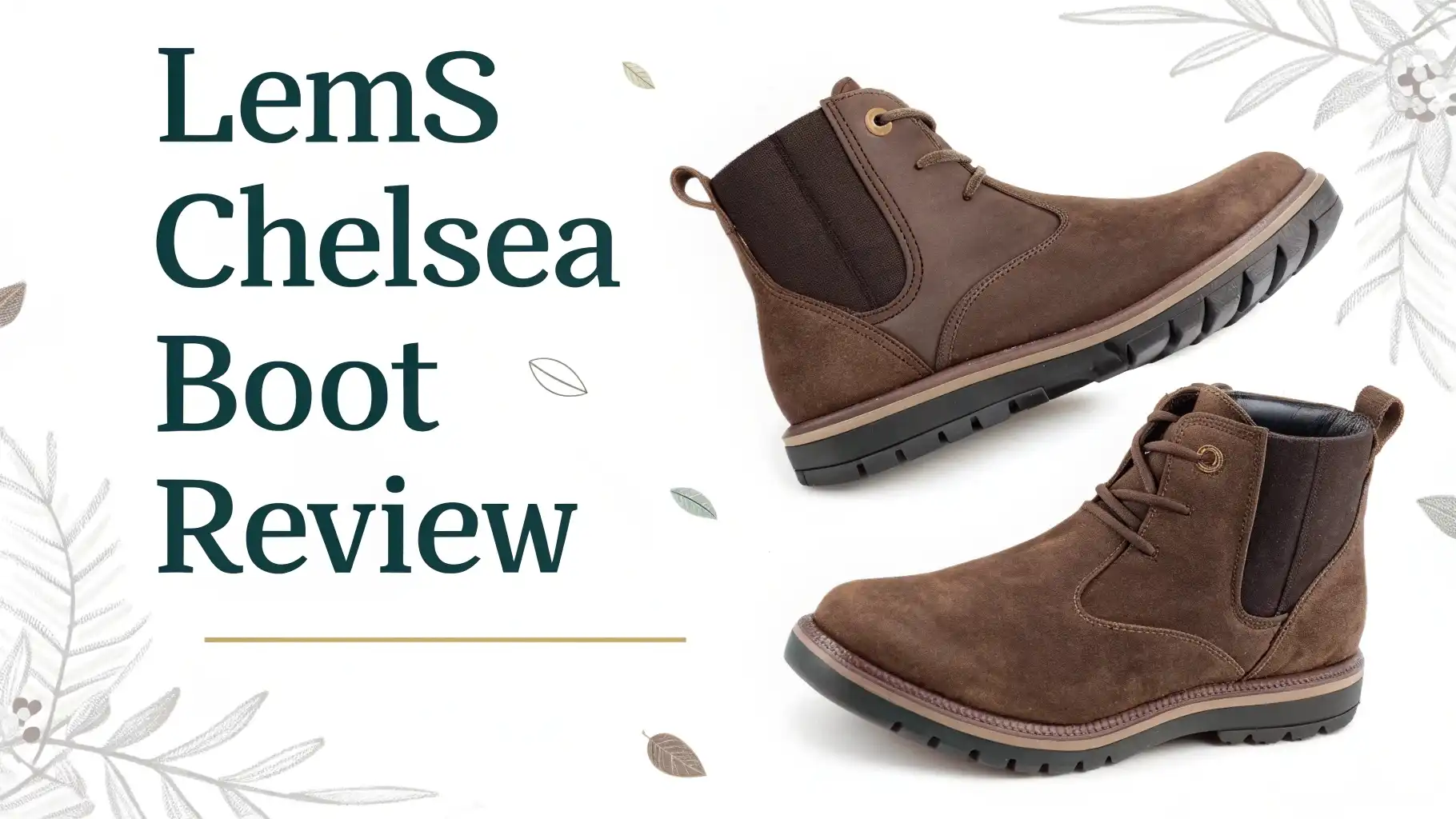
Are you tired of squished toes and uncomfortable boots that sacrifice foot health for style? The Lems Chelsea Boot might be exactly what you need. This barefoot boot combines the classic Chelsea style with a wide toe box and zero drop design that your feet will love.
After extensive testing in various conditions, we found these boots deliver on both comfort and functionality. Whether you’re looking for an everyday casual boot or something rugged for outdoor adventures, the Lems Chelsea Boot offers a refreshing alternative to traditional footwear that actually respects your natural foot shape.
Key Takeaways
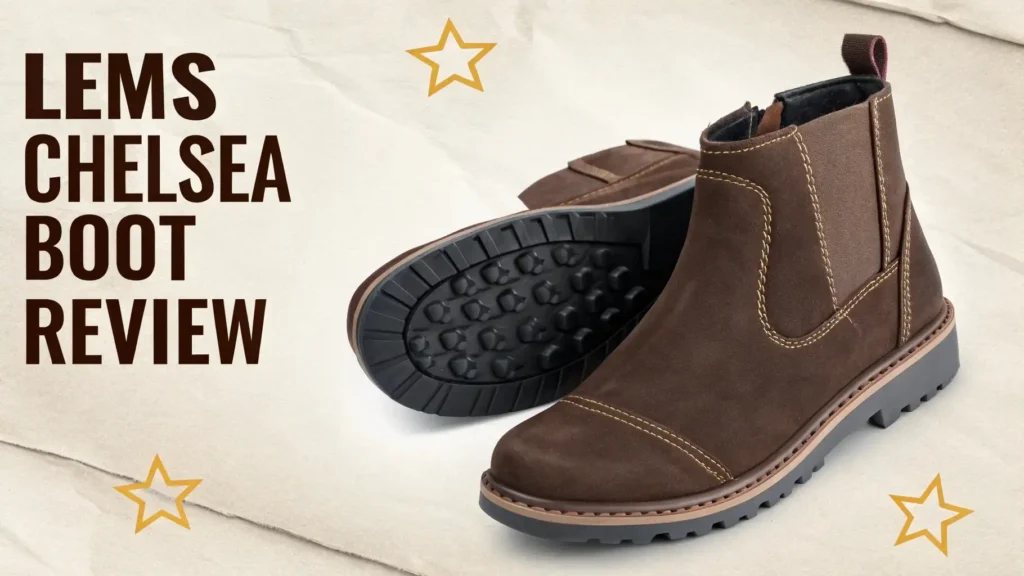
Wide Toe Box Design: The Lems Chelsea Boot features an anatomically shaped toe box that allows your toes to spread naturally. Unlike traditional Chelsea boots that squeeze your toes together, these boots match your actual foot shape. This design helps prevent common foot problems like bunions and plantar fasciitis while providing all day comfort.
Zero Drop Platform: These boots sit completely flat with no heel elevation. This zero drop design supports better posture and alignment throughout your body. Your hips stay in proper position, reducing strain on your lower back and pelvis. The flat sole also improves balance and allows natural foot movement.
Lightweight Construction: Weighing about half as much as comparable boots like Blundstones, the Lems Chelsea Boot reduces fatigue during long wear periods. The injection blown rubber sole provides cushioning without unnecessary weight. You get protection and support without feeling like you’re wearing heavy work boots.
Flexible Sole Technology: The sole bends and moves with your foot rather than restricting natural motion. This flexibility helps maintain foot strength and prevents stiffness. You can actually feel the ground beneath you while still getting adequate protection from rough terrain.
Waterproof Options Available: The Espresso colorway comes with a fully waterproof membrane and oiled leather upper. This makes the boots suitable for wet conditions, snow, and muddy environments. The Cedar suede version works well for dry conditions and can be treated with waterproofing spray if needed.
What Makes Lems Chelsea Boot Different

The Lems Chelsea Boot stands out in the crowded boot market because it prioritizes foot health without compromising style. Traditional Chelsea boots force your toes into a narrow point and elevate your heel unnaturally. This design might look sleek, but it causes problems over time. The Lems approach respects your foot’s natural shape and function.
The boot features pull tabs on both the front and back for easy on and off. The elastic side panels provide the classic Chelsea look while ensuring a secure fit. Built on Lems’ widest sole shape, these boots accommodate even wide feet comfortably. The microfiber lining adds a touch of luxury while remaining breathable.
The construction uses quality materials throughout. Full grain oiled leather provides durability and develops a beautiful patina with wear. The 9.5mm LemsRubber outsole uses air injection technology. This creates a sole that’s thick enough for protection but light enough for barefoot feel. The removable 3.5mm insole gives you options for customizing the fit and ground feel.
Understanding Barefoot Boot Technology
Barefoot boots represent a departure from traditional footwear design. They follow specific principles that support natural foot function. The wide toe box allows your toes to splay naturally when you walk. This improves balance and engages the small muscles in your feet that often become weak in conventional shoes.
Zero drop means the heel and forefoot sit at the same height. This keeps your body in proper alignment. Traditional heeled shoes tilt your pelvis forward, creating compensatory curves in your spine. Over time, this contributes to back pain and poor posture. The flat platform of barefoot boots lets you stand and walk as nature intended.
Flexibility is another key feature. Your feet contain 33 joints designed for movement. Stiff soled boots turn your foot into a rigid lever, preventing natural articulation. The flexible sole of the Lems Chelsea allows your foot to bend, twist, and adapt to terrain. This keeps your feet strong and responsive.
The lightweight design reduces energy expenditure. Heavy boots require more effort with every step. This extra weight adds up over a full day of wear. Lighter boots mean less fatigue and more comfortable movement. Your legs don’t work as hard, leaving you with more energy at the end of the day.
Lems Chelsea Boot Build Quality and Materials
The attention to detail in the Lems Chelsea Boot is evident from the first inspection. The leather upper feels substantial without being heavy. Full grain leather improves with age, developing character rather than just showing wear. The oiled finish on the Espresso version provides natural water resistance while maintaining breathability.
The stitching throughout the boot appears solid and even. Stress points receive reinforcement to prevent premature failure. The elastic side panels stretch easily but snap back firmly. They maintain their shape even after repeated use. The pull tabs are thick enough to grab easily without adding bulk.
The sole attachment uses quality construction methods. The LemsRubber material provides good traction on most surfaces. The air injection process creates thousands of tiny air pockets in the rubber. This gives you cushioning without weight or bulk. The tread pattern works well on pavement, grass, and moderate trails.
The insole removes easily if you want a more minimal feel. The moisture wicking properties help keep your feet dry during long wear. Some users prefer to remove the insole for increased ground contact and roominess. Others appreciate the extra cushioning it provides. Having this choice lets you customize the boot to your preferences.
How Lems Chelsea Boot Fits Different Foot Types
The Lems Chelsea Boot accommodates a wide range of foot shapes. The generous toe box works especially well for people with wide feet or bunions. Your toes have room to spread out rather than being compressed. This makes a huge difference in comfort during extended wear.
People with high volume feet appreciate the roomy interior. The boot provides plenty of vertical space for your foot without feeling sloppy. If you have low volume feet, you might need to size down or use fit hacks. Tongue pads or thicker socks can take up extra space in the boot. Leg warmers help fill the gap around your ankle.
The boot runs mostly true to size according to most users. However, sizing recommendations vary slightly between the two versions. The Cedar suede version fits true to size for most people. The Espresso waterproof version sometimes requires going up half a size. The waterproof membrane takes up a bit of interior space.
If you have narrow feet, these boots might feel too roomy. The wide toe box is a core feature that can’t be adjusted. Some narrow footed users still love the boots with thick socks. Others find the extra space uncomfortable. Consider your foot width carefully before purchasing.
The ankle opening sits in the medium width range. It’s not as snug as some Chelsea boots but not overly loose either. The elastic panels help the boot conform to your ankle shape. Most users find the fit secure without being restrictive. Your heel should stay in place when walking.
Top 3 Alternatives for Lems Chelsea Boot

- Natural Movement Design: Barefoot + minimalist principles with a wide toe box for natural splay, zero-drop for proper posture, and...
- Durable Full-Grain Leather: Ages beautifully over time while offering long-lasting durability.

- 【Barefoot Comfort with Wide Toe Box Design】Experience natural movement and everyday freedom with our barefoot Chelsea boots....
- 【Easy Slip-On Style & Minimalist Look】Step into sleek sophistication with the convenient slip-on design. These minimalist...

- Adjustable & Easy On/Off – Features a functional buckle with elastic gore for a secure, accommodating fit, plus a convenient...
- Premium Full Grain Leather – Crafted with a high-quality full-grain leather upper and refined details for durability, comfort,...
Performance in Different Weather Conditions
The waterproof Espresso version handles wet conditions admirably. Rain, snow, and shallow puddles pose no problems. The waterproof membrane keeps moisture out while allowing some breathability. Your feet stay dry even during extended exposure to wet weather. The oiled leather upper sheds water naturally.
Cold weather performance depends on your sock choice. The boot itself provides moderate insulation. With wool socks and a warm insole, they work well in winter temperatures. Some users wear them comfortably in snow and freezing conditions. Others find them better suited to fall and spring weather.
The Cedar suede version works best in dry conditions. Suede absorbs moisture easily without treatment. Applying a waterproofing spray before first wear protects the material. This treatment helps repel water and stains without changing the appearance. Reapply the spray periodically to maintain protection.
Hot weather presents some challenges. The leather upper doesn’t breathe as well as mesh materials. Your feet may get warm during summer heat. The boots work better in cooler temperatures or air conditioned environments. They’re not ideal for hot, humid climates without adequate ventilation.
The traction performs well on most surfaces. Pavement, concrete, wood, and packed dirt all provide good grip. Wet grass can be slippery but manageable with careful footing. The tread pattern clears debris effectively. Deep mud presents the biggest challenge, as the relatively shallow tread can clog.
Comparing Lems Chelsea to Blundstone Boots
The comparison between Lems Chelsea and Blundstone boots reveals fundamental differences in design philosophy. Blundstones follow traditional boot construction with a tapered toe box and heeled sole. They’re built for durability above all else. The thick, rigid sole lasts for years but provides little ground feel.
Lems Chelsea prioritizes foot health and natural movement. The wide toe box accommodates your natural foot shape. The zero drop sole supports better alignment. The flexible construction allows your foot to move naturally. These features make a significant difference in how your feet feel after a full day of wear.
Weight is a major differentiator. Lems Chelsea boots weigh about half as much as Blundstones. This reduction in weight becomes noticeable during long periods of wear. Your legs don’t fatigue as quickly. Walking feels easier and more natural. The lighter weight also makes packing for travel more convenient.
Durability comparisons favor Blundstones in some areas. The thick rubber sole withstands years of hard use. The heavy construction shrugs off abuse that might damage lighter boots. However, this durability comes at the cost of comfort and foot health. Lems boots prioritize your feet over extreme longevity.
Style considerations are subjective. Blundstones offer a more traditional Chelsea boot silhouette. The narrow shape looks sleeker with certain outfits. Lems Chelsea boots have a wider, more rounded appearance. Some people love the unique look while others prefer conventional styling. Both work well in casual settings.
Breaking in Your Lems Chelsea Boots
One of the pleasant surprises with Lems Chelsea boots is the minimal break in period. Many users report comfort right out of the box. The soft leather and flexible sole don’t require extensive wear to feel good. This contrasts sharply with traditional boots that need weeks of painful break in time.
Start by wearing the boots for short periods around your house. This lets you assess the fit without committing to a full day. Pay attention to any pressure points or areas of discomfort. The boots should feel comfortable immediately, though the leather may feel slightly stiff at first.
The leather softens quickly with wear. After just a few wears, the boots begin to conform to your foot shape. The material develops creases where your foot bends naturally. This personalization improves the fit over time. The boots essentially mold themselves to your unique foot structure.
If you’re new to barefoot footwear, take the transition slowly. Your feet need time to adjust to the flat sole and increased flexibility. Start with shorter wear periods and gradually increase duration. Your feet will strengthen as they adapt to working more naturally. This process typically takes a few weeks.
Some stiffness in your feet or calves is normal during the transition. Your muscles are working in new ways. Stretching and foot exercises can help ease any discomfort. Most people adjust completely within a month. The improved foot strength and comfort make the transition worthwhile.
Caring for Your Lems Chelsea Boots
Proper care extends the life of your Lems Chelsea boots significantly. Regular cleaning prevents dirt from breaking down the leather. Use a soft brush to remove surface dirt after each wear. For deeper cleaning, use a damp cloth with mild soap. Avoid harsh chemicals that can damage the leather.
The Cedar suede version requires specific care. Suede brushes work best for removing dirt and restoring the nap. Clean suede when it’s completely dry to avoid damage. Apply suede protector spray before first wear and reapply periodically. This prevents stains and water damage while maintaining the soft texture.
The Espresso oiled leather benefits from conditioning. Use a quality leather conditioner every few months. This keeps the leather supple and prevents cracking. Apply conditioner after cleaning when the leather is slightly damp. Work it in thoroughly and wipe off any excess. Let the boots dry naturally away from direct heat.
Store your boots properly when not in use. Keep them in a cool, dry place away from direct sunlight. Use boot trees or stuff them with newspaper to help maintain their shape. This prevents creasing and extends the life of the leather. Proper storage also allows the boots to air out completely between wears.
Check the soles regularly for wear. The injection blown rubber will eventually wear down with use. Most users get good life from the soles before needing replacement. Unfortunately, these boots aren’t easily resoled like traditional welted boots. Consider this in your purchasing decision if maximum longevity is your priority.
Using Lems Chelsea for Different Activities
The versatility of Lems Chelsea boots surprises many users. They work well for casual daily wear around town. The slip on design makes them convenient for running errands. They look appropriate in casual office settings paired with jeans or chinos. The clean lines work with most casual outfits.
Light hiking and outdoor activities suit these boots well. The flexible sole and good traction handle moderate trails effectively. They provide enough protection for uneven terrain while maintaining ground feel. Many users appreciate them for nature walks and easy hikes. They’re not meant for technical mountaineering but handle casual outdoor use admirably.
The boots work for light outdoor work tasks. Users report success with yard work, gardening, and similar activities. The waterproof version handles wet conditions during these tasks. The protective sole shields your feet from rocks and debris. However, they lack the steel toe protection needed for heavy construction work.
Travel represents an ideal use case. The slip on design speeds up airport security. The lightweight construction doesn’t eat up luggage weight allowance. They work for both casual sightseeing and nicer dinners. One pair of boots can handle most travel situations. This versatility makes packing easier.
Some users even wear them for light snow activities. With warm socks, they provide adequate insulation for winter walks. The waterproof version keeps feet dry in snow and slush. The traction handles packed snow reasonably well. They’re not snow boots but work for winter conditions in many climates.
Health Benefits of Zero Drop Footwear
Zero drop footwear like the Lems Chelsea Boot offers measurable health benefits. The flat sole keeps your body in natural alignment. Your skeleton stacks properly from feet to head. This reduces strain on joints and muscles throughout your body. Many users report reduced back pain after switching to zero drop shoes.
The position of your pelvis affects your entire spine. Heeled shoes tilt your pelvis forward unnaturally. This creates an exaggerated curve in your lower back. Your body compensates by creating additional curves higher up. Over time, this contributes to chronic pain and poor posture. Zero drop footwear eliminates this problem.
Your Achilles tendon and calf muscles work differently in flat shoes. Traditional heeled shoes keep these tissues in a shortened position. This can lead to tightness and reduced flexibility. Zero drop shoes allow your heel to drop fully. This stretches and strengthens your posterior chain naturally with every step.
Foot and ankle strength improve with barefoot style footwear. The flexible sole requires your feet to work more actively. Small stabilizing muscles engage with each step. Over time, your feet become stronger and more capable. This improved strength can help prevent injuries and improve athletic performance.
Balance and proprioception benefit from better ground contact. The thin sole allows you to feel variations in terrain. Your nervous system receives important feedback about foot position. This improves coordination and reaction time. Better balance reduces fall risk, especially as you age.
Common Questions About Sizing
Sizing questions are common with Lems Chelsea boots. Most users find them true to size. Order your normal US shoe size for the best fit. The unisex sizing means the same size works for both men and women. There’s no need to convert between men’s and women’s sizes.
If you have particularly wide or high volume feet, consider going up half a size. This provides extra room for your foot without the boot feeling too large. The elastic panels help accommodate some variation in fit. With thicker socks, the half size up usually works well.
Some users report the Espresso waterproof version running slightly smaller. The waterproof membrane takes up interior space. If you’re choosing the waterproof boot, going up half a size may be wise. This is especially true if you plan to wear thick socks. Check return policies before ordering if you’re between sizes.
Low volume or narrow feet present more challenges. The wide toe box is generous even in smaller sizes. You may need to use fit hacks to take up extra space. Thicker socks, tongue pads, or insoles can help. Some low volume users still love the boots while others find them too roomy.
The removable insole provides some sizing flexibility. Taking out the insole adds volume to the boot interior. It also increases ground feel significantly. This option works well if the boot feels slightly tight. You gain both comfort and a more minimal experience.
Style and Versatility Considerations
The Lems Chelsea Boot offers surprising style versatility despite its functional design. The clean lines work well with casual outfits. Pair them with jeans for a classic look. They also complement chinos or casual pants nicely. The boot hits at a flattering height on most leg lengths.
The wider toe box creates a different silhouette than traditional Chelsea boots. Some people love the unique look while others need time to adjust. The shape clearly signals that these are functional boots first. They don’t try to hide their barefoot design philosophy. This authenticity appeals to many users.
Color choices affect versatility. The Cedar suede offers a lighter, more casual appearance. It works well with earth tones and casual outfits. The suede texture adds visual interest. The Espresso oiled leather provides a dressier look. The darker color and leather finish work for more occasions.
These boots bridge the gap between outdoor and casual wear. They look equally at home on hiking trails and coffee shops. This versatility reduces the number of shoes you need to own. One pair handles multiple situations effectively. This appeals to minimalists and travelers especially.
The boots aren’t appropriate for formal occasions. They’re too casual for suits or formal wear. Very fashion forward outfits may clash with the practical aesthetic. However, for everyday casual wear, they perform admirably. Most users find them suitable for 80 percent of their daily activities.
Price and Value Analysis
The Lems Chelsea Boot represents a significant investment compared to budget boots. The Cedar suede version retails for $150. The waterproof Espresso version costs $165. This price point sits below premium brands like Blundstone but above basic alternatives. The question becomes whether the boots deliver appropriate value.
The barefoot design provides health benefits that cheaper boots can’t match. If you suffer from foot pain or back issues, the proper design may save you money on treatment. The comfort and foot health improvements justify the cost for many users. You’re investing in your body’s wellness, not just footwear.
Material quality throughout the boot is high. The full grain leather, quality construction, and thoughtful design show attention to detail. The boots feel well made rather than cheaply constructed. However, the injection blown rubber sole won’t last as long as traditional rubber. This affects long term value.
Compare the cost to other barefoot boot options. Many barefoot brands charge $200 or more for similar boots. Lems offers competitive pricing in the barefoot market. You’re getting good value compared to other minimalist footwear brands. The price reflects the specialized design and smaller production volumes.
Consider cost per wear when evaluating value. If you wear these boots regularly, the cost spreads out over many uses. Daily wear for several years makes the investment reasonable. If they’ll sit in your closet unworn, the value decreases. Think honestly about how often you’ll actually wear them.
Real World Testing and Performance
Extensive field testing reveals the boots’ true capabilities. One tester wore them for outdoor work including chopping wood and moving manure. The boots handled these tasks without issues. The waterproof version kept feet dry while the flexible sole remained comfortable. The traction provided adequate grip on varied terrain.
Hunting and hiking tests showed good performance on moderate trails. The boots provided protection from rocks and roots while maintaining ground feel. The lightweight design didn’t cause fatigue during long days outdoors. However, very muddy conditions revealed the limits of the tread pattern. Deep mud can overwhelm the relatively shallow tread.
Daily casual wear over several months demonstrated durability. The leather developed an attractive patina rather than just looking worn. The elastic panels maintained their shape and function. The sole showed wear but remained intact and functional. Normal daily use didn’t reveal any weak points in construction.
Winter weather testing in snow and ice provided mixed results. The waterproof version kept feet dry in snow. With warm socks, the boots provided adequate insulation. However, the traction on ice was less impressive. The rubber compound doesn’t grip ice as well as specialized winter boots. Use caution on icy surfaces.
Extended wear comfort surpassed expectations. The boots remained comfortable even after 10 plus hour days. No hot spots or pressure points developed. The break in period was minimal, with comfort from the first wear. This consistent comfort is one of the boots’ strongest features.
Making the Transition to Barefoot Footwear
Switching to barefoot boots requires some adjustment if you’re used to traditional footwear. Your feet need time to strengthen and adapt. The Lems Chelsea Boot works well as a transition shoe. The thicker sole provides more cushioning than minimal barefoot options. This makes the adjustment period easier.
Start by alternating between your old shoes and the new boots. Wear the Lems Chelsea for a few hours, then switch back to conventional footwear. Gradually increase the time in barefoot boots as your feet adapt. This prevents overuse injuries that can occur when transitioning too quickly.
Some muscle soreness is normal during the transition. Your feet and calves are working in new ways. The zero drop sole stretches your Achilles tendon more than heeled shoes. Gentle stretching and massage can help ease discomfort. The adjustment period typically lasts two to four weeks.
Foot strengthening exercises accelerate the adaptation process. Simple exercises like toe spreading and foot doming build important muscles. Picking up objects with your toes improves dexterity. These exercises combined with wearing barefoot boots create strong, healthy feet faster.
Listen to your body during the transition. Some discomfort is expected, but sharp pain signals a problem. If you experience significant pain, slow down the transition process. There’s no rush to make the switch. Taking your time prevents injuries and ensures a successful transition to barefoot footwear.
Environmental and Sustainability Factors
Lems Shoes makes some efforts toward sustainability, though they’re not perfect. The leather comes from Leather Working Group certified tanneries. This certification indicates more responsible leather production practices. Water use and chemical management receive attention in certified facilities. This is a step in the right direction for leather goods.
The production takes place overseas to keep costs manageable. This reduces the environmental benefit compared to local production. However, the company maintains quality standards regardless of production location. The boots arrive as advertised without quality control issues related to manufacturing location.
Longevity affects environmental impact significantly. The injection blown rubber sole limits the boots’ lifespan compared to traditional welted boots. These boots can’t be easily resoled when the sole wears out. This means the entire boot gets replaced rather than just the sole. This creates more waste over time.
However, the quality construction means the boots last longer than cheap alternatives. Buying one pair of Lems instead of multiple pairs of poor quality boots reduces overall consumption. The boots hold up well with proper care. Many users get several years of regular use before replacement is necessary.
The packaging uses recyclable materials without excessive waste. The boots arrive in a simple box with minimal packaging. No plastic bags or unnecessary materials are included. This attention to packaging details shows environmental awareness. Small choices like this add up across thousands of customers.
What is a barefoot boot and how is it different from regular boots?
A barefoot boot follows specific design principles that support natural foot function. The key features include a wide toe box, zero drop sole, flexible construction, and lightweight materials. These elements work together to let your feet move as they would without shoes. Regular boots typically have narrow toe boxes, heeled soles, rigid construction, and heavier materials that restrict natural movement.
The wide toe box is perhaps the most noticeable difference. Your toes can spread naturally rather than being squeezed together. This improves balance and engages foot muscles properly. Regular boots taper to a point, forcing your toes into an unnatural position. Over time, this can lead to bunions, hammertoes, and other foot problems.
Zero drop means the heel and forefoot sit at the same height. Regular boots almost always have some heel elevation, even if it’s subtle. This elevated heel tilts your pelvis forward and affects your entire body alignment. Zero drop boots keep you in natural alignment, reducing strain on your back and joints.
Can I wear Lems Chelsea boots in winter and snow?
Yes, the Lems Chelsea boots work reasonably well for winter conditions with some caveats. The waterproof Espresso version handles snow and slush effectively. The waterproof membrane keeps your feet dry even in wet snow. With warm wool socks and possibly a wool insole, the boots provide adequate insulation for winter temperatures.
However, these boots are not specialized winter boots. Very cold temperatures below freezing may require additional insulation. Some users find them perfectly comfortable in winter while others need something warmer. Your personal cold tolerance and activity level make a difference. Standing still in the cold is more challenging than active movement.
Traction on ice is the main limitation. The rubber compound and tread pattern don’t grip ice as effectively as winter specific boots. Packed snow works fine, but be cautious on icy surfaces. The flexible sole also means you feel the cold ground more than insulated winter boots. This can be uncomfortable on very cold days.
How do I know what size to order in Lems Chelsea boots?
Most users find Lems Chelsea boots true to size. Order your normal US shoe size for the best starting point. The sizing is unisex, so the same size fits both men and women. Measure your foot length and compare it to the Lems sizing chart for the most accurate fit. The chart provides measurements in both centimeters and inches.
If you have particularly wide or high volume feet, consider ordering half a size up. This provides extra room without the boot feeling too large. The elastic side panels help accommodate some variation in foot shape. With thick socks, the half size up usually works well for wider feet.
The Cedar suede and Espresso waterproof versions may fit slightly differently. Some users report the waterproof version running a bit smaller due to the waterproof membrane. If you’re choosing the waterproof boot and are between sizes, sizing up might be the safer choice. Always check the return policy before ordering in case the size doesn’t work perfectly.
Are Lems Chelsea boots good for people with bunions or wide feet?
Yes, Lems Chelsea boots work exceptionally well for people with bunions and wide feet. The anatomically shaped toe box provides plenty of room for bunions without pressure. Your big toe can stay in its natural position rather than being pushed toward the other toes. This eliminates the pain that narrow boots cause for bunion sufferers.
The wide toe box doesn’t taper to a point like traditional Chelsea boots. Your foot maintains its natural fan shape inside the boot. This prevents aggravating existing bunions and may even help prevent them from worsening. Many users with bunions report these are the most comfortable boots they’ve ever worn.
For wide feet, the generous width throughout the boot provides relief. You don’t experience the pinching and pressure common with regular boots. The boot is built on Lems’ widest sole shape, making it suitable even for extra wide feet. Some users with wide feet still size up half a size for maximum comfort.
How long do Lems Chelsea boots typically last with regular use?
The lifespan of Lems Chelsea boots depends on your usage patterns and care routine. With regular daily wear, most users report getting one to three years of life from the boots. The injection blown rubber sole is the component most likely to wear out first. Heavy use on rough terrain will wear the sole faster than casual wear on smooth surfaces.
The leather upper typically outlasts the sole significantly. With proper care, the leather can remain in good condition for many years. Conditioning the leather and protecting it from excessive moisture extends its life. The elastic panels and pull tabs also hold up well to regular use. These components rarely fail before the sole wears out.
Compared to heavily built boots like Blundstones that can last a decade, Lems Chelsea boots have a shorter lifespan. However, they’re significantly more comfortable and healthier for your feet during that time. Consider the boots as an investment in foot health rather than purely in longevity. The comfort and health benefits during the years of use provide real value.
Can I dress up Lems Chelsea boots or are they only casual?
Lems Chelsea boots work best for casual and smart casual occasions. They look appropriate with jeans, chinos, and casual pants. Many users wear them to casual office settings without issue. The clean lines and Chelsea styling make them more versatile than purely athletic looking shoes.
However, these boots are not suitable for formal occasions. The wide toe box creates a different silhouette than dressy Chelsea boots. They clearly communicate function over fashion. Don’t plan to wear them with suits or to formal events. The practical design doesn’t align with formal dress codes.
The Espresso oiled leather version dresses up slightly better than the Cedar suede. The darker color and leather finish work for more situations. Clean them up and they can handle dinner at a nice casual restaurant. They bridge the gap between outdoor boots and casual footwear effectively.
Do Lems Chelsea boots require a break in period?
The break in period for Lems Chelsea boots is minimal compared to traditional boots. Most users report comfort right out of the box. The soft leather and flexible sole don’t require weeks of painful wear to feel good. You can typically wear them all day from the first use without developing blisters or hot spots.
However, if you’re new to barefoot footwear, your feet need an adaptation period. This is different from the boots breaking in. Your feet must strengthen and adjust to the zero drop platform and increased flexibility. Start with shorter wear periods and gradually increase duration over several weeks.
The leather will soften slightly with wear, conforming to your foot shape. This improves the fit after the first few wears. The elastic panels also relax a bit, making the boots easier to slip on and off. But these changes are subtle, not the dramatic transformation required by stiff traditional boots.
Are Lems Chelsea boots worth the price compared to cheaper alternatives?
Whether Lems Chelsea boots justify their price depends on your priorities. If foot health and comfort are important to you, the investment makes sense. The proper barefoot design provides benefits that cheaper alternatives can’t match. Many users find relief from foot pain and improved posture worth the cost.
Compared to other barefoot boot brands, Lems offers competitive pricing. Many minimalist boots cost $200 or more. At $150 to $165, Lems sits in the middle of the barefoot market. You’re getting quality construction and thoughtful design for a reasonable price within the niche.
However, if you simply want functional boots without specific barefoot features, cheaper options exist. Traditional Chelsea boots cost less and may last longer due to more durable soles. But they won’t provide the same comfort or health benefits. Consider what you value most in footwear when making the decision.
The boots deliver good value if you’ll wear them regularly. Daily or frequent wear spreads the cost over many uses. If they’ll only come out occasionally, the value proposition weakens. Think honestly about your lifestyle and whether these boots fit your actual needs.
Last update on 2026-02-06 / Affiliate links / Images from Amazon Product Advertising API