
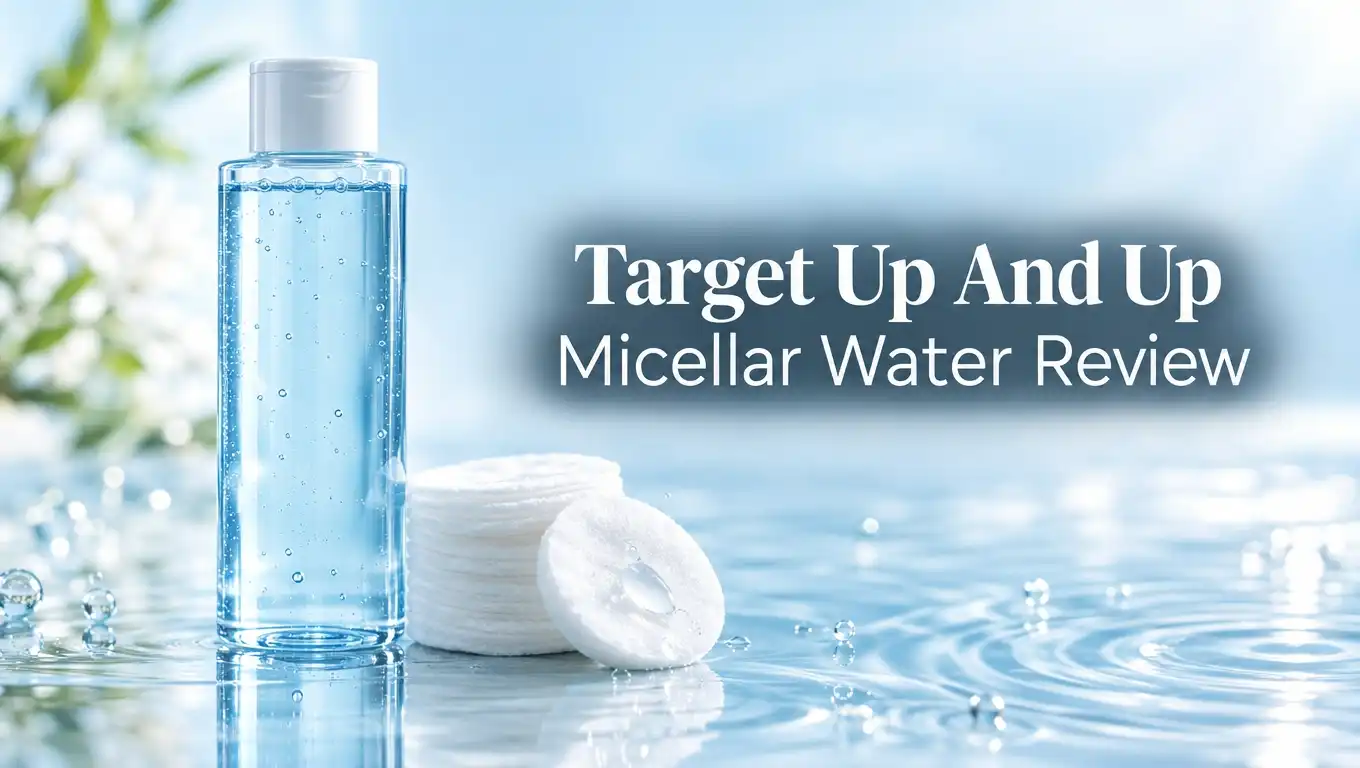
You have probably seen the clear bottle on the Target shelf and wondered if it is worth the price. It costs less than a fast food lunch, and shoppers buy tens of thousands of bottles each month.
But cheap does not always mean good. Some people love it. Others say it leaves a greasy film and stings their eyes.
I looked at the ingredients, the shopper feedback, and the price. I also compared it with the best known micellar waters. Read on to find out who should buy it and who should skip it.
In A Nutshell
- What it is: The Up&Up All In One Micellar Cleansing Water is Target’s store brand makeup remover. It comes in a 13.5 fl oz bottle and cleanses, removes makeup, and needs no rinsing.
- Price: It usually costs between $6 and $12, depending on sales. That makes it one of the cheapest micellar waters you can find in a store.
- Formula: The list has only 11 ingredients. It is free of alcohol, parabens, and silicones. The base is gentle, but it contains oil like alkanes that can feel slick on the skin.
- Performance: It melts away face makeup and sunscreen quickly. Waterproof mascara takes more time. Some shoppers report a sticky or oily residue after use.
- Best for: Shoppers on a budget, people who want a quick night cleanse, and anyone who removes light to medium makeup.
- Our take: It is a solid budget pick if you follow it with a rinse. Choose another brand if your eyes or skin react easily.
What Is Target Up And Up Micellar Water?
Up&Up is Target’s own brand. The brand sells everyday items such as pain relievers, wipes, and skin care. The micellar water sits in the face wash and makeup remover aisle.
The label calls it an All In One Micellar Cleansing Water. It comes in a clear 13.5 fl oz bottle with a flip top cap. Target says it removes makeup, sunscreen, and daily buildup.
Micellar water is a simple idea. Tiny balls of cleansing agent, called micelles, sit in the water. They grab dirt, oil, and makeup from your skin. You wipe them away with a cotton pad.
The Up&Up version follows this idea. Target also says the formula is dermatologist tested and oil free. Keep that last claim in mind. I will explain why in the ingredients section.
The brand also updated the packaging. Some stores show a “3 in 1” bottle, and others show the plain “Micellar Cleansing Water” label. Both bottles hold about the same amount. The new look is meant to be the same trusted quality as before.
Shoppers like that it is easy to find. You can grab it with your groceries. You do not need a special trip to a beauty store.
Price And Where To Buy
Price is the main reason people pick this bottle. Target lists it at roughly $8.99 to $11.99 at full price. Sales often bring it down to around $6. Target also shows that more than 27,000 people bought it in the last month.
That is a lot of bottles. It tells me shoppers trust the low cost.
Let me do the math. A 13.5 fl oz bottle at $8.99 costs about 67 cents per ounce. Premium French brands often cost over a dollar per ounce. You can use the Up&Up bottle freely and not worry about waste.
You can buy it in three ways:
- In a Target store, in the face wash aisle
- On the Target website, with delivery or pickup
- Through Target’s app, where you can use coupons
Target brands are not sold on Amazon, so you will not find this bottle there. That is why I picked similar bottles from other brands for the alternatives section below.
Watch for Target Circle deals. They often cut a few dollars off the price. Buying two bottles during a sale is a smart move if you use it daily.
The low price also makes it a good test product. You risk very little money if it does not suit you.
Ingredients Breakdown
The short list is easy to read. Here are the ingredients: Water, Isohexadecane, C15-23 Alkane, C13-14 Alkane, Potassium Phosphate, Sodium Chloride, Hexylene Glycol, Dipotassium Phosphate, Disodium EDTA, Decyl Glucoside, and Polyaminopropyl Biguanide.
Let me explain the main parts. Decyl Glucoside is the cleanser. It comes from plants and is mild on skin. It lifts dirt and makeup from the surface.
Isohexadecane and the alkanes work as solvents. They help break down makeup, especially sunscreen and foundation. They also feel oily, because they are light oil like ingredients. This explains why some shoppers say the formula feels slick.
Hexylene Glycol helps the water and oils mix. Potassium Phosphate and Dipotassium Phosphate balance the pH. Disodium EDTA keeps the formula stable. Polyaminopropyl Biguanide is the preservative.
The formula has no alcohol, no parabens, and no silicones. It also lists no added fragrance. Skin care checkers rate the ingredient list as low risk. They also call it safe for fungal acne.
Here is the catch. The label says oil free, but the alkanes act like oils on the skin. That is the source of the greasy feel. Keep this in mind if you have oily skin.
Top 3 Alternative for Up&Up Micellar Water
Want to compare before you buy? These three bottles are well known and easy to order. Each one suits a slightly different need.
Bioderma Sensibio H2O is the original French micellar water. It is great for sensitive skin and leaves a clean, light feel. It costs more, but many shoppers say it is worth it.

- The cleansing and soothing care formulated at skin pH to reveal your pure skin. Bioderma is the original...
- Gently cleanses skin from impurities, fine particles and pollution. Effectively removes makeup from face and...

Last update on 2026-09-12 / Affiliate links / Images from Amazon Product Advertising API
La Roche-Posay Micellar Water is a gentle option for sensitive skin. It also works like a light toner. Some testers noticed a mild tingle, so patch test it first.

- Cleanses while respecting skin's natural physiological balance
- For sensitive skin
Last update on 2026-08-30 / Affiliate links / Images from Amazon Product Advertising API
Simple Kind to Skin Micellar Water is a mild, simple pick. It comes without perfume and includes skin friendly vitamins. The bottle is small, so it suits travel.

- Simple Micellar Cleansing Water is our most advanced facial cleanser to date
- yet it is gentle on even the most sensitive skin
Last update on 2026-10-30 / Affiliate links / Images from Amazon Product Advertising API
Pick Bioderma if you want the best known formula. Pick La Roche-Posay if you like a toner feel. Pick Simple if you want a gentle, fragrance free bottle.
Each of these costs more than the Up&Up. The extra money buys a lighter feel with less residue. If budget matters most, the Up&Up still wins on price alone.
First Impressions And Texture
The bottle looks clean and simple. The flip top cap opens with one hand. A small opening lets you pour the liquid onto a cotton pad. You do not have to fight the bottle.
The liquid is clear and thin. It looks just like water. There is no strong smell, which many shoppers like. The scent is faint and clean.
Texture is where opinions split. Many people find it light and fresh on the first swipe. Others feel a slick film that stays behind. This slick feel comes from the oil like solvents.
Target’s own page shows mixed feedback. Some guests complain about an oily texture and a residue on skin. Other guests praise it as a great buy under $10.
My advice is simple. Do not leave the formula on your skin. Follow the swipe with a splash of water or your usual face wash. The slick feel fades, and your skin feels clean.
The liquid also shakes up a little. You will see two layers settle when the bottle rests. Give it a gentle shake before use. This keeps the formula even.
Overall, the first impression is positive. The feel is the only weak spot, and a quick rinse fixes it.
Makeup Removal Performance
This is the job that matters most. The Up&Up micellar water does well on everyday makeup. Foundation, powder, blush, and tinted sunscreen come off with two or three swipes.
The oil like solvents help here. They break down sunscreen and long wear base makeup with little rubbing. This is a real strength of the formula.
Lipstick also lifts easily. Hold a soaked pad on your lips for a few seconds. Then wipe in one direction. The color comes off without a hard scrub.
Waterproof mascara is harder. The formula can remove it, but you need patience. Press a soaked pad on your lashes for about 20 seconds. Then wipe gently. You may still need a second pad.
Some TikTok shoppers rank it among their top picks for removing makeup. They like how the product pulls off color without harsh rubbing. They also like the price.
Here is a tip. Use more than one pad. Cheap pads can break apart, so choose soft cotton rounds. A fresh pad for each part of the face keeps your skin cleaner.
If you wear heavy theater style makeup, a cleansing balm may work better. For daily wear, this bottle is good enough.
Is It Safe For Eyes And Sensitive Skin?
This question needs honest answers. The formula has no alcohol and no added fragrance. Those are good signs for sensitive skin. The brand also says it is dermatologist tested.
But not every shopper has a good experience. One Reddit user wrote that her eyes started to hurt after years of using Up&Up makeup remover. She said her eyes felt dry, puffy, and irritated.
That is only one story. But it matters. Eyes are delicate, and every formula reacts differently.
Here is what I suggest if you want to try it near your eyes:
- Do a patch test on your inner arm first
- Keep the pad on your closed eyelid for a short time
- Avoid rubbing hard
- Rinse your eye area with water afterward
The ingredients Hexylene Glycol and Disodium EDTA can raise absorption a little. This is usually fine. But sensitive people may feel more irritation.
Stop use if you feel burning, redness, or swelling. Switch to a fragrance free option such as Simple or Bioderma instead.
Most people with normal skin report no problems. Sensitive eyes need more care. Always listen to your skin.
Which Skin Types Will Like It Most?
Skin type changes the result a lot. Let me break it down in plain terms.
Normal skin does well with this formula. The cleanse is gentle. A quick rinse leaves the skin clean and soft. Most shoppers in this group are happy.
Dry skin often likes the slight slick feel. The oil like ingredients leave a thin layer on the skin. This can feel comfortable at night. But the formula does not add real moisture, so follow up with a cream.
Oily and acne prone skin needs more caution. The alkanes can feel heavy. Skin care checkers rate the formula as safe for fungal acne. Still, I would rinse well and use a light face wash after.
Combination skin sits in the middle. Rinse the oily T zone more. Dry cheeks may enjoy the leftover softness.
Sensitive skin should patch test first. The ingredient list looks gentle. Real life feedback is mixed, so go slowly.
Here is the key point. This is a cleanser and makeup remover, not a skin care treatment. It will not fix acne, dryness, or dark spots. Use it as the first step in your night routine.
Pair it with a face wash, then a moisturizer. That three step plan works for almost every skin type.
How To Use It For Best Results
Using micellar water is simple. A few small habits make a big difference. Follow these steps for the best result.
First, shake the bottle gently. This mixes the layers. Then soak a cotton pad with the liquid. Do not drip it. A damp pad works better than a dripping one.
Second, press the pad on your eye for about 15 seconds. This gives the formula time to dissolve mascara. Then wipe down in a soft motion. Rubbing back and forth pulls on delicate skin.
Third, sweep the pad over your cheeks, forehead, nose, and chin. Use a fresh pad when the first one turns dirty. Keep going until the pad comes away clean.
Fourth, rinse your face with water or a gentle face wash. The label says no rinse is needed. But a rinse removes any leftover film. This step helps most with the slick feel many shoppers mention.
Fifth, pat your face dry. Then apply your moisturizer or night cream.
You can also use it in the morning. A quick swipe removes night oil and sleep sweat. It works like a light toner on a busy day.
Store the bottle with the cap closed. Keep it away from heat. A well kept bottle lasts for months with daily use.
Pros And Cons
Here is a quick view of the good and bad points. I based this on the ingredients, the price, and shopper feedback.
Pros:
- The price is very low. It often sells for under $10, and sales bring it near $6.
- The ingredient list is short, with only 11 ingredients.
- The formula has no alcohol, parabens, or silicones.
- It removes foundation, sunscreen, and lipstick quickly.
- The bottle is large at 13.5 fl oz, so it lasts a long time.
- It is easy to find in Target stores and online.
Cons:
- Some shoppers feel a greasy film after use.
- The oil free claim feels odd, since the formula contains oil like alkanes.
- Waterproof mascara needs extra time and extra pads.
- A few users report eye irritation and dryness.
- It does not add real moisture or skin care benefits.
- You may need a rinse, even though the label says no rinse.
The pros are strong for a bargain bottle. The cons are mostly about feel. A quick rinse solves most of them. Eye sensitivity is the main risk, so test with care.
Up&Up vs Garnier Micellar Water
Garnier is the closest rival. It also sits on drugstore shelves and costs little. Many shoppers compare the two.
The Garnier bottle holds 13.5 fl oz, the same size as the Up&Up. It is vegan and cruelty free. It is also made for sensitive skin. Garnier is a well known name, so many shoppers feel safe buying it.

- ALL-IN-1 Cleanser To hydrate and Rrefresh skin: This all-in-1 micellar cleansing water is a facial cleanser...
- A soothing formula that gently cleanses: micellar water leaves skin feeling/looking healthy and hydrated...
Last update on 2026-07-13 / Affiliate links / Images from Amazon Product Advertising API
Price is close. The Garnier bottle sells for about $8 to $9 on Amazon, so Up&Up has a small edge on cost. The gap is only a few dollars.
Feel is the bigger difference. Garnier users often say the formula feels lighter and more like water. Up&Up users more often mention the slick film. Your own skin will decide which feel you like.
Makeup removal is similar. Both do well on foundation and lipstick. Both need patience with waterproof mascara. Garnier also sells a waterproof makeup version if you need extra power.
My pick depends on your habits. Choose Up&Up if you shop at Target and want the lowest price. Choose Garnier if you prefer a lighter feel and a name you know.
Why not try both? Each bottle costs very little. You can learn in two weeks which one suits you better.
Final Verdict: Is It Worth Buying In 2026?
The Up&Up Micellar Water is a good budget cleanser. It removes everyday makeup and sunscreen with little effort. The short ingredient list is gentle, and the price is hard to beat.
It is not perfect. The formula can feel oily. Some people notice irritation around the eyes. Waterproof mascara takes extra work. Those flaws are real, and you should weigh them.
Here is my simple rule. Buy it if you want a cheap first step in your night routine. Use it with a quick rinse and a moisturizer. You will likely enjoy the result.
Skip it if you have very sensitive eyes or very oily skin. Try Bioderma, La Roche-Posay, or Simple instead. Their formulas cost more but feel lighter.
My rating is 3.5 out of 5 stars. Value earns most of those points. Feel and eye comfort cost it the rest.
Grab one bottle on your next Target run. Test it on your arm first. Then use it for a week. You will know fast if it belongs in your bathroom.
Cheap skin care can be smart skin care. This bottle proves it for many shoppers.
FAQs
Is Target Up&Up Micellar Water good for removing makeup?
Yes, it works well on everyday makeup. Foundation, sunscreen, blush, and lipstick come off in a few swipes. Waterproof mascara takes more time and extra pads.
Do I need to rinse after using Up&Up Micellar Water?
The label says no rinse is needed. But I suggest a quick rinse anyway. It removes any slick film left on your skin.
Is Up&Up Micellar Water safe for sensitive skin?
The formula has no alcohol, parabens, or added fragrance. The brand says it is dermatologist tested. Some users still report irritation, so do a patch test first.
Can I use it around my eyes?
Many people do. But a few shoppers report dry or sore eyes after use. Keep the pad on closed lids briefly, and stop if you feel burning.
How much does Up&Up Micellar Water cost?
The price usually ranges from about $6 to $12 for a 13.5 fl oz bottle. Target sales and Circle deals can lower the cost.
Is the formula really oil free?
The label says oil free. But the formula contains alkanes, which are oil like solvents. They can leave a light, slick feel on the skin.
Is it safe for acne prone skin?
Skin care checkers list it as safe for fungal acne. Still, the slick feel can bother oily skin. Rinse well and follow with a light face wash.
What is the best alternative to Up&Up Micellar Water?
Bioderma Sensibio H2O is the most popular choice. La Roche-Posay and Simple are also good picks. All three cost more but feel lighter on the skin.